Almost a decade now after the historic vote, Brexit remains one of the most transformative and divisive events in modern British history. But what exactly is Brexit, how did it happen, and what has been its real-world impact? This comprehensive guide breaks down the entire story, from the initial political promise to the complex reality of the UK's life outside the European Union.
What is Brexit? The Simple Definition
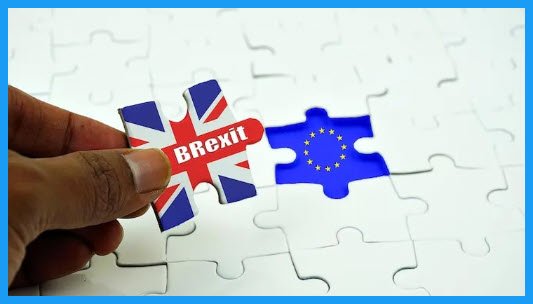
Brexit is a portmanteau of "British" and "exit." It refers to the United Kingdom's decision to leave the European Union (EU)—a political and economic union of 27 European countries. The decision was made by a public referendum on June 23, 2016, and became a legal reality on January 31, 2020.
The Origins: How Did Brexit Come About?
While public skepticism of the EU had existed for decades in the UK, the direct path to the referendum was set by then-Prime Minister David Cameron.
Facing growing pressure from the Eurosceptic wing of his own Conservative Party and the rising popularity of the UK Independence Party (UKIP), Cameron made a strategic promise in 2013. He vowed to hold an "in-or-out" referendum if the Conservatives won the 2015 general election. His goal was to settle the issue once and for all and unite his party. He campaigned for the "Remain" side, confident he could renegotiate the UK's terms with the EU and win the vote.
The Brexit Referendum: A Nation Divided
On June 23, 2016, the British public went to the polls. The question was simple: "Should the United Kingdom remain a member of the European Union or leave the European Union?"
The result shocked the world:
- Leave: 17,410,742 votes (51.9%)
- Remain: 16,141,241 votes (48.1%)
- Turnout: 72.2%
The victory for "Leave" was driven by a coalition of voters concerned about sovereignty, immigration control, and a desire for national self-determination.
Key Protagonists in the Brexit Drama
Several key figures played pivotal roles in the Brexit story:
The Leave Campaign:
- Boris Johnson: The charismatic, high-profile face of the "Vote Leave" campaign. His public backing was seen as a crucial factor in securing victory.
- Michael Gove: A key strategist and co-conspirator with Johnson, providing intellectual heft to the campaign.
- Nigel Farage: The longtime leader of UKIP and the driving force behind the "Leave.EU" campaign. He had been agitating for Brexit for years and mobilized a core base of supporters.
The Remain Campaign:
- David Cameron: The Prime Minister who called the referendum. He resigned immediately after the result, his political career in tatters.
- George Osborne: As Chancellor, he oversaw the "Project Fear" economic warnings, which predicted immediate recession if the UK voted to leave.
- Theresa May: As Home Secretary, she quietly supported Remain. She later became Prime Minister, tasked with the impossible job of delivering a Brexit that could please everyone.
The Financial Picture: How Much Has the UK "Saved"?
This is one of the most debated aspects of Brexit. A key promise of the Leave campaign was that the UK would stop sending "vast sums" to the EU and could spend this money on its own priorities, like the NHS.
The UK's gross contribution to the EU was around **£13-15 billion per year**. However, the UK received a significant rebate (the "UK abatement") and money for projects and subsidies (like for farmers), meaning the net contribution was much lower.
According to the Office for Budget Responsibility (OBR), the UK's independent fiscal watchdog, the net saving is approximately £6-7 billion per year.
However, it is crucial to understand that this "saving" does not account for the larger economic impact. The OBR and most economic studies have found that Brexit has had a significant negative effect on UK trade and GDP growth. The OBR forecasts that Brexit will reduce the UK's potential GDP by around 4% in the long run—a far greater economic loss than the savings from the membership fee.
Sources: Office for Budget Responsibility, Office for National Statistics.
Brexit Pros and Cons: A Balanced View
Arguments For Brexit (The Pros)
- Regained Sovereignty: The UK can now make its own laws without being overruled by the European Court of Justice. Supporters argue this restores parliamentary supremacy.
- Control of Borders: The UK has ended the principle of free movement from the EU, allowing it to implement a points-based immigration system to prioritize skills.
- Independent Trade Deals: The UK can now negotiate its own trade agreements with countries like Australia and New Zealand, rather than being part of the EU bloc.
- No More EU Budget Contributions: As discussed, the UK no longer pays billions into the EU budget.
Arguments Against Brexit (The Cons)
- Economic Damage: Most analyses show Brexit has reduced trade with the EU, hurt certain sectors (like fishing and finance), and slowed economic growth due to new trade barriers.
- Increased Bureaucracy: Businesses now face customs declarations, rules of origin checks, and health certificates for goods, creating red tape and delays.
- Northern Ireland Protocol: The special arrangement for Northern Ireland has created political instability and trade friction within the UK's own internal market.
- Loss of Global Influence: By leaving the world's largest trading bloc, the UK has less collective bargaining power on the global stage.
Conclusion: An Unfinished Story
Brexit is not a single event but an ongoing process. The full consequences will unfold over decades. While it has delivered on key promises of sovereignty and border control, it has also come with significant economic costs and complex new challenges. The debate over whether it was the right decision continues to define British politics and will likely do so for a generation. The story of Brexit is still being written.
As of November 2025, it is understood that the EU are demanding billions from the UK with regard to Keir Starmer's proposed plan to reset relations with the EU.
What are your thoughts on the long-term impact of Brexit? Share your views in the comments below.
If you require assistance with this article, please contact us.
Please see our disclaimer
