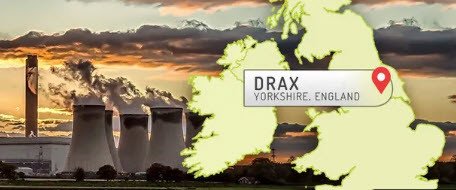
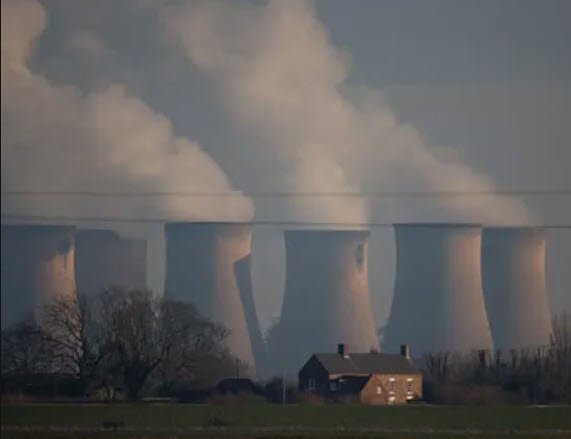
The Drax power station in North Yorkshire stands as one of Britain's most controversial energy projects. While branded as a source of renewable energy, it holds the dubious title of the UK's largest single emitter of carbon dioxide. This paradox lies at the heart of a growing environmental and economic scandal.
This article delves into the operations of Drax, questioning the logic of burning wood on an industrial scale and examining the enormous financial cost borne by the British public.
From Coal to Wood: A Questionable Transition
Drax was originally a coal-fired power station. In a move intended to reduce carbon emissions, it was converted to burn wood pellets, funded heavily by government subsidies. Critics argue this switch is deeply flawed, as burning wood can release even more CO2 than burning coal.
The scale of consumption is staggering. Reports indicate that Drax consumes approximately one tree every second. Since 2012, it is estimated that over 300 million trees have been incinerated—a number six times greater than all the trees in the New Forest.
Imported Emissions and Forest Destruction
These trees are not sourced from the UK. The vast majority are imported, often travelling 6,000 miles on diesel-powered freighters from North America. The wood is not just waste or residue; it has been linked to the clear-cutting of primary, virgin forests.
In 2023, the energy regulator Ofgem fined Drax £25 million for misreporting the sourcing of its wood pellets, which were found to have come from primary forests in British Columbia, Canada. These ancient forests are crucial carbon sinks, storing vast amounts of carbon over millennia and hosting rich biodiversity. Their destruction for fuel has severe environmental consequences.
The Multi-Billion Pound "Green" Subsidy
The most contentious aspect of the Drax operation is its funding. Since 2012, the power station has received an estimated £8 billion in government subsidies, paid for by UK billpayers through levies on their energy bills. This financial support was designated for "renewable" energy, a classification that has been widely criticised.
The policy to promote biomass burning at Drax was initiated in 2009. Successive governments, including coalition and Conservative administrations, have continued and expanded this support.
The Carbon Accounting Loophole
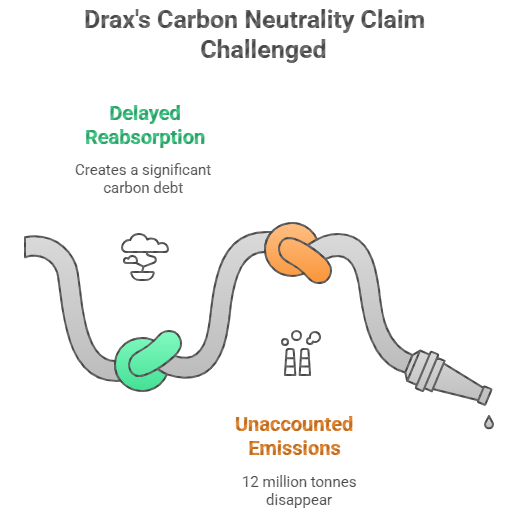
A key reason Drax can be classified as "carbon neutral" lies in a controversial carbon accounting method. The UK government's emissions ledger does not count the CO2 released from burning the wood at the power station. Instead, it is assumed that the carbon will be reabsorbed by new trees planted to replace those cut down.
The scientific community points out that this reabsorption process takes decades, if not a century, creating a "carbon debt" that is not reflected in current climate targets. In 2023 alone, Drax was responsible for approximately 12 million tonnes of CO2, representing nearly 3% of the UK's total emissions, which effectively disappeared from the official books.
Looking Forward: Carbon Capture and Continued Concerns
Drax is now seeking further billions in subsidies to develop carbon capture and storage (CCS) technology. However, analysts suggest this process is highly inefficient. Some estimates indicate that a Drax plant fitted with CCS would consume twice as much energy as it supplies to the grid, raising further questions about its economic and environmental viability.
Conclusion: An Unsustainable Model?
The case of Drax presents a critical dilemma for UK energy policy. It highlights the potential pitfalls of well-intentioned green subsidies when the underlying technology is ecologically questionable and financially burdensome. The situation raises fundamental questions about what truly constitutes "renewable" energy and how the UK can achieve its net-zero targets in a way that is both environmentally sound and economically sustainable.
The power station's operations, funded by public money, continue to be a flashpoint for debate over forest conservation, carbon accounting, and the future of the UK's energy mix.
Source:
This article is based on and synthesizes information originally reported by the Daily Mail. The facts and figures cited, including subsidy amounts, tree consumption rates, and Ofgem fines, were sourced from this publication.
If you want assistance with this article, please Contact Us
