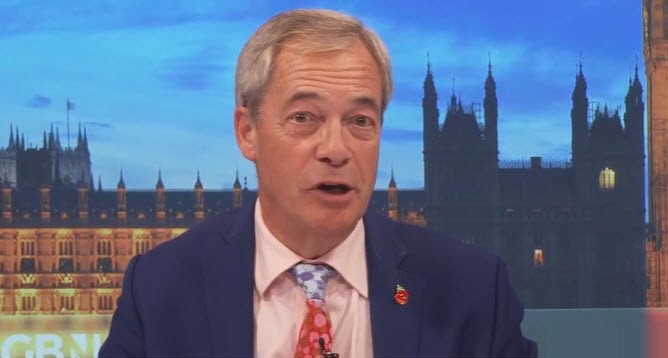
Love him or loathe him, Nigel Farage is one of the most consequential British politicians of the 21st century. A master of political communication and a relentless campaigner, he dragged the issue of European integration from the political fringes to the centre stage, ultimately culminating in the 2016 Brexit referendum.
Now, as leader of Reform UK, he continues to shape the national conversation on issues from immigration to net zero. But who is the man behind the pint and the provocative soundbites? This definitive biography delves into Nigel Farage's personal life, his professional career, and his relentless political journey.
Who is Nigel Farage? A Snapshot
- Full Name: Nigel Paul Farage
- Date of Birth: 3 April 1964
- Place of Birth: Farnborough, Kent, England
- Current Position: Leader of Reform UK (2024-present), Honorary President of Reform UK (2021-2024)
- Known For: Former Leader of the UK Independence Party (UKIP), key figure in the Vote Leave campaign for Brexit, broadcaster.
- Political Allegiance: Reform UK (formerly the Brexit Party)
Early Life and Formative Years
Nigel Farage was born in 1964 into a middle-class family. His father, a stockbroker who had once been a member of the Liberal Party, instilled in him a passion for politics from a young age. In his autobiography, Fighting Bull, Farage recalls being a "rebellious" child who chafed against authority.
A pivotal moment came at the age of 10 when he survived a serious car accident. Just five years later, he was diagnosed with testicular cancer. These near-death experiences, he has often stated, gave him a "live for the moment" attitude and a fearlessness that would later define his political career.
He was educated at the now-defunct Dulwich College, a private school, but unlike many of his contemporary politicians, he did not attend university. Instead, driven by a desire to follow in his father's footsteps, he headed straight for the City of London at the age of 18.
The City of London: Forging a Worldview (1982-1994)
Farage became a commodities trader at the London Metal Exchange. This high-stakes, fast-paced environment was a formative crucible. He developed a deep-seated belief in free markets, deregulation, and a visceral opposition to what he saw as the bureaucratic and protectionist nature of the European Economic Community (the forerunner to the EU).
His time in the City also cemented his public persona: the sharp suit often paired with a pint of ale, a direct, sometimes brash, communication style, and a belief in the power of persuasion. By the early 1990s, his political ambitions were beginning to eclipse his financial ones.
The Political Crusade: From UKIP to Brexit
The Founding of UKIP and the Battle Against the EU
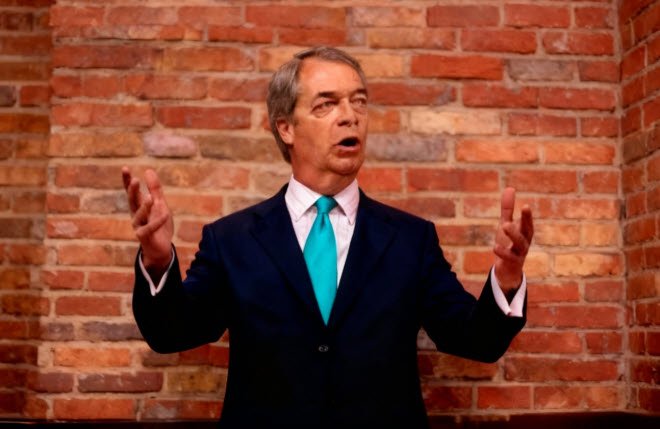
Disillusioned with the Conservative Party under John Major, whom he saw as betraying Thatcherite principles on Europe, Farage co-founded the UK Independence Party (UKIP) in 1993. For years, UKIP was a political fringe group, mocked by the mainstream and struggling to win seats under the First-Past-the-Post system.
Farage, however, was a relentless campaigner. As a Member of the European Parliament (MEP) from 1999 to 2020, he used the platform brilliantly. His speeches, often directly challenging EU federalists in the chamber, went viral on YouTube, building a substantial public following. He portrayed himself as the plain-speaking man of the people, fighting against an out-of-touch political elite in both Brussels and Westminster.
The Rise, The Referendum, and The Triumph
Under Farage's leadership, UKIP's influence grew dramatically. The party's success in the 2014 European elections, where it finished first, sent shockwaves through the British political establishment. It forced then-Prime Minister David Cameron to promise an in/out referendum on EU membership in an attempt to placate his party's right wing and stem the flow of voters to UKIP.
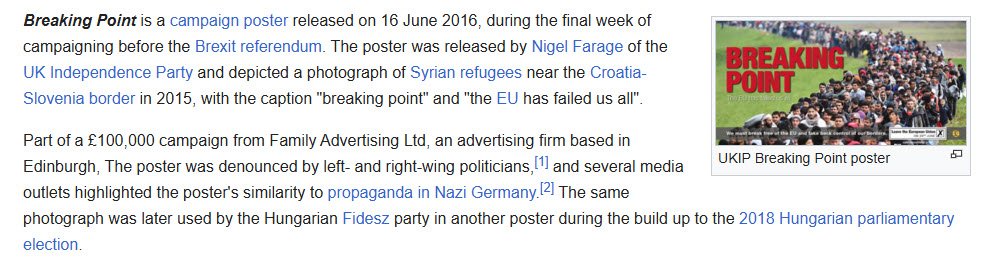
The 2016 referendum campaign was Farage's zenith. Although the official "Vote Leave" campaign kept him at arm's length, his "Leave.EU" campaign and relentless media presence were instrumental. His focus on immigration, encapsulated in the controversial "Breaking Point" poster, was criticised by many but was seen by his supporters as a necessary confrontation with a key issue. The result—52% to 48% in favour of leaving the EU—was a personal and political vindication for Farage after two decades of campaigning.
The Brexit Party and Reform UK: The Next Chapter
With the Brexit process stalling in Parliament, Farage launched the Brexit Party in 2019. It achieved instant success, winning the European Parliament elections in a landslide just months later, which he argued was a mandate for a "clean break" Brexit.
After Brexit was finally delivered in 2020, the party rebranded as Reform UK, shifting its focus to broader issues: opposing COVID-19 lockdowns, criticising net zero policies, and calling for stricter immigration controls. After initially stepping back, Farage returned to lead the party in 2024, signalling his intent to disrupt the British political landscape once again.
Personal Life: The Man Behind the Microphone
Farage's personal life has been as eventful as his political one.
- Marriages and Family: He has been married twice. He has four children with his first wife, Gráinne Hayes. In 1999, he survived a horrific car crash while campaigning, an event that he believes was a wake-up call. He is now married to German national Kirsten Mehr, with whom he has two children. His family life, he has stated, provides a crucial refuge from the pressures of politics.
- Health Scares: Aside from childhood cancer, Farage has faced other significant health challenges. He was diagnosed with a heart arrhythmia and has suffered a broken rib and punctured lung in a plane crash while banner-flying for UKIP in 2010.
- Public Persona: The image of Farage with a pint of beer and a cigarette is a core part of his brand. He presents himself as a traditional, convivial Englishman, a stark contrast to the "health-obsessed, nanny-state" politicians he often criticises. He has also worked as a broadcaster for GB News, hosting his own show.
Legacy and Impact: The Farage Effect
Nigel Farage's impact on British politics is undeniable.
- He Delivered Brexit: Without his relentless, decades-long campaign, it is almost certain there would have been no referendum on EU membership.
- He Broke the Political Mold: He proved that a single-issue party could exert immense pressure on the mainstream political duopoly.
- He Shifted the Political Centre: He forced issues like immigration and national sovereignty to the top of the political agenda, influencing the policies of the Conservative Party, most notably under Prime Ministers Cameron, May, and Johnson.
His critics, however, accuse him of deepening social divisions, promoting populism, and oversimplifying complex issues. Regardless of one's perspective, his role as a catalyst for one of the most significant political events in modern British history is secure.
Conclusion: The Unfinished Revolution
Nigel Farage remains a formidable and controversial force in British politics. From the trading pits of the City to the European Parliament and now the leadership of Reform UK, his journey has been one of relentless rebellion. His story is a testament to the power of a single-minded political mission. As he sets his sights on a potential seat in the House of Commons and the future of Reform UK, one thing is certain: the political establishment should not count him out. The man who fought for Brexit is now fighting for what he calls a "political revolt" on a new front, and he shows no signs of slowing down.
If you require assistance with this article, please contact us.
Please see our disclaimer
Sources and Further Reading:
- Farage, N. (2010). Fighting Bull. Biteback Publishing.
- BBC News. (Various). "Nigel Farage Profile." https://www.bbc.co.uk/news/uk-politics-
- The Guardian. (Various). "Nigel Farage." https://www.theguardian.com/politics/nigel-farage
- Reform UK. "Our People." https://www.reformparty.uk/people
- Reuters. (2024). "Nigel Farage Returns to Frontline Politics to Lead Reform UK." https://www.reuters.com/world/uk/
