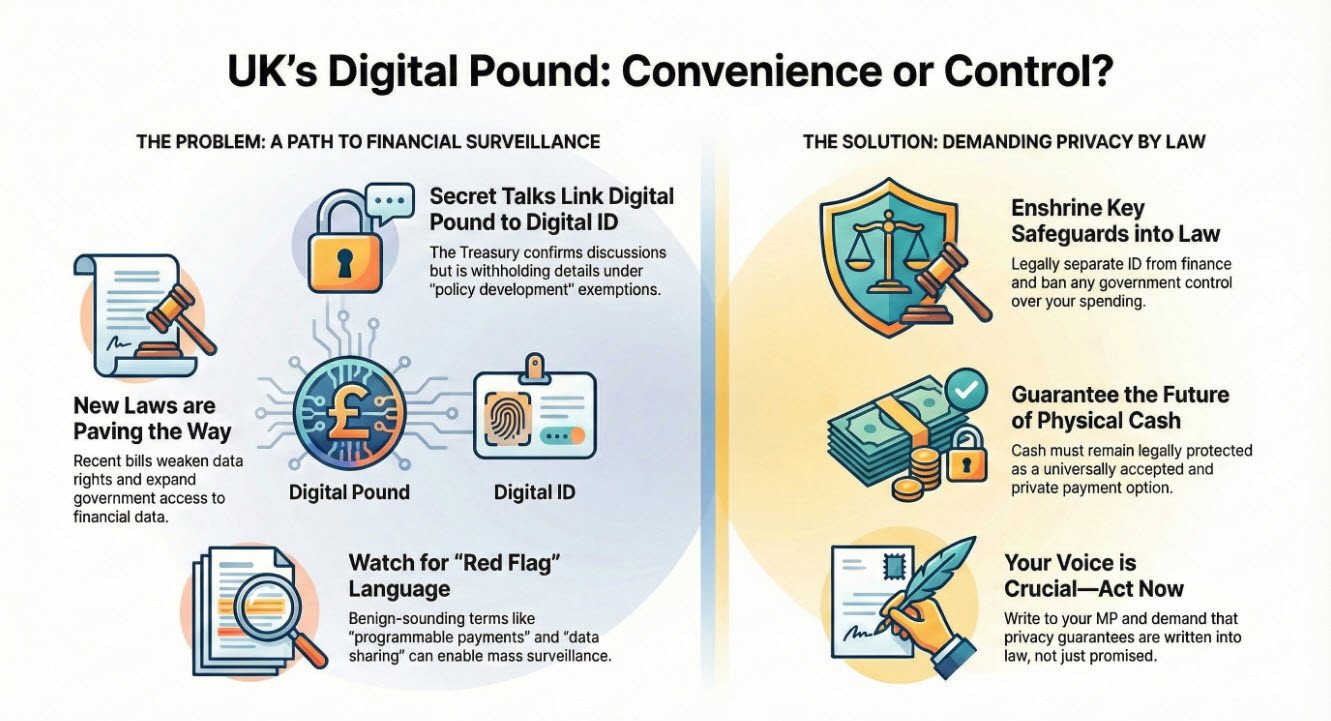
Why The UK Parliament Backs a Secure, Voluntary System
In a rare display of cross-party unity, the UK House of Commons held a pivotal debate on December 8, 2025, on the future of Digital ID. Far from the polarized discussions often surrounding new technology, this debate revealed a strong parliamentary consensus: a well-designed Digital ID system is not only necessary for a modern Britain but can be a powerful force for good.
CLICK HERE to go to the petition
The core question was not if the UK should pursue Digital ID, but how to implement it with the highest standards of privacy, security, and citizen control. This post breaks down the key arguments and essential safeguards that emerged from the debate.
CLICK HERE to read the full debate.
Summary - Key Takeaways
An Overwhelming Case For Digital ID according to the MPs
MPs from across the political spectrum articulated a clear vision for how a voluntary Digital ID could transform British society:
- Boosting Inclusion: A key theme was that Digital ID should help, not hinder. It was championed as a tool for vulnerable individuals—such as the homeless, the elderly, or those fleeing domestic abuse—to prove their identity and access essential services they are entitled to, often more easily than with paper documents.
- Modernising Services: The debate highlighted the inefficiency of the current, fragmented system. Digital ID promises to streamline interactions with government agencies like the DWP, DVLA, and NHS, reducing bureaucracy and wait times.
- Enhancing Security & Privacy: Counterintuitively, MPs argued a secure Digital ID could be more private than the current norm of sharing physical documents like utility bills. A decentralized, user-centric model could reduce fraud and the risk of data breaches across countless organizations.
- A Voluntary Principle: This was non-negotiable. The proposed system was consistently described as “voluntary to have, voluntary to use,” with traditional alternatives always remaining available.
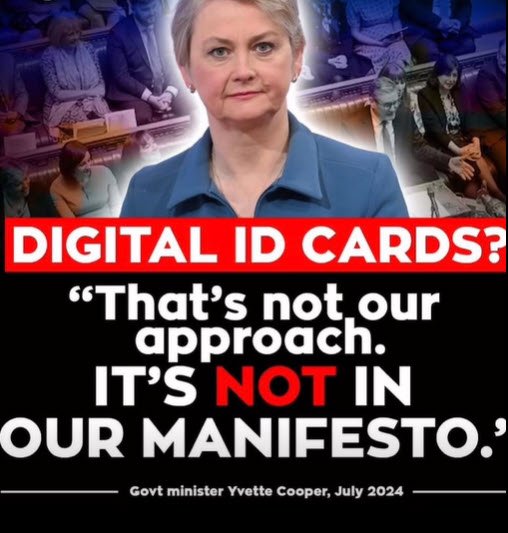
The Crucial Safeguards & Concerns
The support was unequivocal but conditional. MPs laid out strict red lines to ensure public trust:
- Independent Governance: The loudest demand was for the system to be independent of direct government control. MPs called for oversight by a trusted third-party or a rigorous “trust framework” to prevent state overreach and mission creep.
- Preventing Mission Creep: There were strong warnings against using Digital ID for surveillance. Any expansion of its use would require a new, clear legal mandate and parliamentary approval.
- Bridging the Digital Divide: Support for Digital ID must be paired with robust support for digital skills and guaranteed access to in-person services to ensure no one is left behind.
- Parliamentary Oversight: MPs insisted that the governance and any future scope of Digital ID must be subject to regular, transparent scrutiny by Parliament, not just decided by ministers.
Conclusion: A New Chapter for Digital Britain
The December 2025 debate marks a significant shift. The UK Parliament has moved past questioning the concept of Digital ID and is now focused on building one of the most secure, privacy-focused, and inclusive models in the world. The message was clear: with the right safeguards—primarily independence, voluntariness, and rigorous oversight—a Digital ID system can be a cornerstone of a more efficient, inclusive, and secure digital future for all citizens.
A crucial element discussed during the debate was public trust — the foundation upon which any successful Digital ID must be built. MPs reiterated that participation should remain entirely optional, ensuring that those who choose not to adopt a Digital ID can continue accessing services without disadvantage. They also emphasized that governance must be independent from both government and private corporate interests, overseen instead by a transparent, accountable body dedicated solely to protecting citizens’ data rights.
Several members suggested creating an independent ethics council to continuously review the system’s operation, while others proposed embedding privacy-by-design principles into every phase of development. Together, these measures were presented not as technical details, but as ethical commitments essential to earning and maintaining the confidence of the public.
What are your thoughts on a voluntary, independently governed Digital ID? Share your views in the comments below.
if you want assistance with this article, please Contact Us
